Building Autumn Resilience
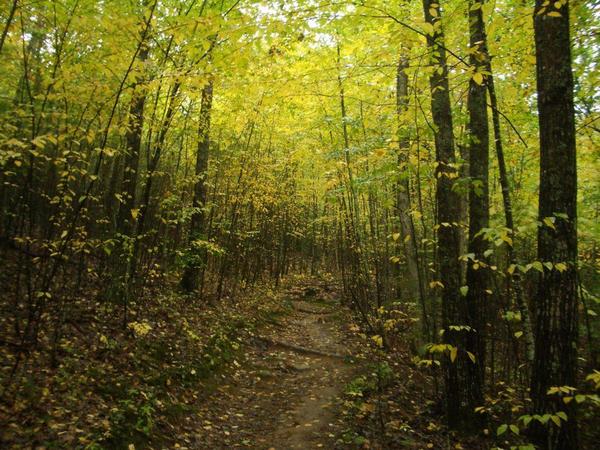
~ October Newsletter ~In October, there is a big, collective sigh that comes from the earth and our souls. A sigh of grief and of relief, as we release and transition in to Autumn. In the wheel of the seasons, Autumn is about letting go. The trees release their leaves to enter the season of slumber, an important time to rebuild the energy for the future the outward energy of spring. This is a good time for us to transition in our own lives. To let go of what doesn't serve us or requires too much energy. To turn inwards, recognize what we need most, and take care of ourselves. The nights now outweigh the day, and although this dark season is challenging for many and may require extra bolstering (or a trip to sunnier climates in winter), there is also a beautify in this inward time. To nourish with food, herbs, sleep, rest, art, reading. To let go of the urge to DO and to instead restore. Darker nights means that it's easier to go to bed early or to come home after
work, cook a warm dinner, and then cozy up on the couch with a loved one or quiet activity. In October, we turn to spicy teas, lots of cinnamon and ginger. Winter squash (favorite squash recipes here). The last weeks of apple picking (favorite apple recipes here). Roasted veggies, warming soups, and healing broth. Rosemary and sage. Fire cider maple mustard salad dressing on my favorite autumnal apple pumpkin seed cranberry salad. We take
great joy in a well-stocked herb cabinet to hold us through to the next green season. Celtic fiddle tunes float through my kitchen. We harvest and process bark, roots, and mushrooms, then put our gardens to bed and appreciate the evergreens. New & Seasonal in This Email • What I'm Up To • Resistance and Resilience for Autumn • Brand NEW Resilience Tea Recipe • Upcoming Events and Classes with
Maria |
What I'm Up to at Wintergreen Botanicals- Class season is winding down, and as much as I love teaching, it's always a welcome break as things wrap up in autumn. I'm enjoying more weeknights to myself.
- 2025 Series Planning is
Underway! I've decided to ONLY teach on Tuesdays (mostly online) next year. There will be an AHG intensive series online in Feb, Home Herbalist Series starting in March, Advanced Module (body systems & conditions focus) in late spring and autumn, and a summer Beyond the Home Herbalist Series (the only series with an in-person option in 2025, for the first time since 2019). Stay tuned - We'll finalize details and open series up for
registration in the next month or so.
- My heart goes out to the devastation in the Asheville/Black Mountain regions of North Carolina from last week's hurricane. I was supposed to head there this week for the American Herbalists Guild symposium. The entire conference has been moved online with live streamed classes as originally scheduled and recordings available afterwards. I'll be online to teach my class, look forward to the
other class recordings, and will enjoy iconic fall foliage in New England.
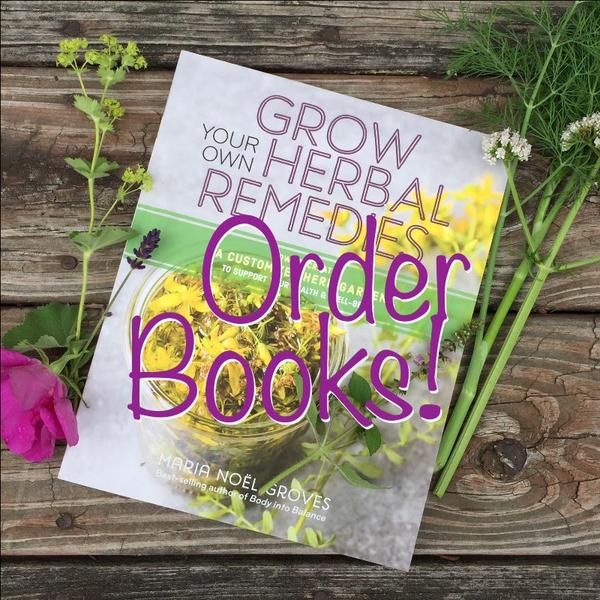
- Book #4 latest edit round is my #1 task this October upon my return. The book release date is shifting around a bit... sometime around winter NEXT year.
- Big/New News - Thanks to a great topic and offer, I've unexpectedly agreed to write a *5th* book.
(Writing it this fall-spring; releasing in 2+ years.)
- Topics for both books (which I think will be much-appreciated) will be made public a few months before they each release.
- All these things together mean that new client openings will be limited or paused. I'm still figuring out the best schedule to serve the community (you!) and also have a humane work schedule and work/life
balance.
- My Own Renovation: Upstairs post-pipe-burst renovation is complete. The new classroom/office looks amazing and serene. Basement renovations are coming together and should wrap up this month and allow my in-laws to leave the hotel and move back in. Fingers crossed!
Building Resistance and Resilience + NEW Restorative Resilience *Tea Recipe* What IS resistance and
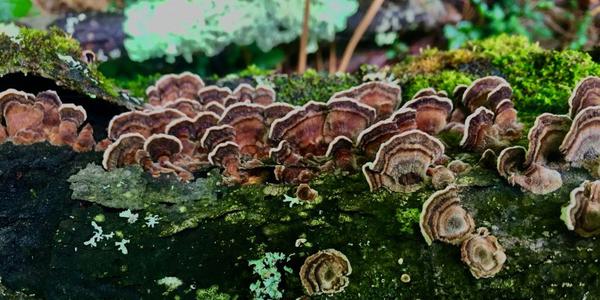
resilience, anyway? How does it manifest in our health? In the blog post linked below, we focus on tonic herbs (and mushrooms like turkey tails pictured above) that we can integrate into our daily routines that build body system resilience that can enhance our overall health and wellbeing over time. In the blog, I focus on digestive support herbs, deep immune tonics, and adaptogen/nerve support. Of course, herbs are only one small piece of the health puzzle. Nutrition (including sleuthing out and addressing nutrient deficiencies), a vibrant diet, movement, quality sleep, and daily activities to promote mind-body peace are - as always - the most important things we can do to support our overall health. But, the herbs can be amazing allies as we begin the process of nourishing and
reconnecting with our bodies with health-affirming daily practices. NEW RECIPE!
Spiced Restorative Resilience Daily Tea This tea is a strong nourishing infusion featuring many wonderful and tasty tonic herbs
across a wide range of supportive healing actions in the body. The masala-chai inspired spices not only make this tea delicious but add further properties to reduce inflammation, support digestion, and synergize the herbs. We often crave these warming spice-based teas as soon as the weather cools, and I love how these nourishing tonic herbs balance out the spices. Steep overnight
in boiling water in 32 oz container (or simmer 20 minutes, then strain), strain in morning and drink over 1-2 days, refrigerating extras, reheat to serve hot or room temp. If desired, add creamer/milk of choice and sweeten if needed with maple syrup. - Soothing Yummy Moistening Prebiotic Gut Support:
2 heaping tablespoons c/s marshmallow root* (and/or leaf) - Nutrition:
2
heaping tablespoons total oat straw and/or tops (and/or nettle leaf, violet leaf) - Daily Immune Tonic:
2 heaping teaspoons c/s or sliced astragalus root - Bitter Digestive & Prebiotic:
1 heaping teaspoon roasted or raw c/s dandelion root* - Flavor, Spice,
Warming, Sweetening (Maria's favorite "Chai Base"):
- 6 cinnamon sticks (I like to use a mix of Ceylon/sweet and cassia),
or 2-4 teaspoons cinnamon chips - 4 lightly crushed star anise pods (or a sprinkle of fennel seeds)
- 8 lightly crushed cardamom pods
- 10 whole cloves
- optional pinch of grated nutmeg and/or fresh or dry ginger
- Optional Additions:
- Adaptogen: up to 1 teaspoon maca powder or c/s ashwagandha root, or 1/2 tsp shatavari powder - all may also enhance libido, energy
- Medicinal Mushrooms - only if simmering tea: dry powder/sliced/cut and
sifted - 1/2-1 teaspoon or to taste - reishi (general vitality, lungs, immune, but bitter), lions mane (cognition, mild energy), turkey tail (non-energizing immune tonic), or other palatable dried mushrooms. (Chaga is also good, but I’m concerned about sustainability/overharvesting)
- More Warming, Antiinflammatory: 1/4 to 1/2 teaspoon ginger (I prefer chips; use less if powdered) and/or turmeric (or to taste)
- Flower Vibes:
sprinkle of rose petals
- Color Therapy: sprinkle of turmeric powder (more yellow) or beet powder (red/pink) or butterfly blue pea flowers (blue-violet)
General dose is 1/2 to 1 pot of this per day, but when first introducing, start with just a little bit and slowly work up to make sure it agrees with you. Adjust ingredients as desired. You can make a large batch of tea mix by
multiplying the recipe out, stirring well to combine, and storing in a large glass jar to scoop as desired for daily tea. While generally safe, some notes on adapting the recipe for specific populations: - *If you are sensitive to FODMAPs, consider swapping marshmallow root for leaf and slooooowly add in dandelion root over the course of several weeks, backing down/off if it
causes gas.
- Alternate quick method and for folks with histamine sensitivities: Simmer for 20 minutes rather than making an overnight infusion.
- If you're allergic to oats, swap the oat straw/tops for other nutritive like nettle or violet leaves, or skip it.
- If you have type 1 diabetes or are on blood sugar lowering medications: drink WITH food and monitor blood sugar carefully - cinnamon can decrease blood sugar
and improve cell insulin sensitivity, which may cause hypoglycemia alongside meds and ink people with type 1 diabetes. Nettle also modestly reduces blood sugar. You can reduce or omit these ingredients if you prefer (though cinnamon is a key flavor).
- This recipe is kid-friendly but skip the adaptogens in kiddos, and serve smaller tea quantities.
- While likely safe in pregnancy, I would advise consulting a pregnancy-savvy herbalist or
holistic midwife first (pregnancy/lactation is *not* my specialty) - such as Liane Moccia, Camille Freeman, a naturopathic or herbalist midwife in your area, or books by Aviva Romm. Same goes for nursing.
|
Upcoming EventsAmerican Herbalists Guild Symposium
in Black Mountain, North Carolina Why Can't I Sleep? Sneaky Saboteurs Friday- Monday October 4-7 -
Now fully ONLINE with recordings available afterwards (I'm not sure if you can still register... technically in person registration had closed
last week.) Unfortunately due to it being a natural disaster, they are unable to provide refunds, but I have no doubt the online version will be great. Conference info/latest updates posted here. Maxfield Public Library Loudon NH Backyard Medicine: Favorite Herbs to Grow
Tuesday October 15, 6-7:30 pm - IN PERSON
Great for beginners! NHAND Conference
at Wentworth by the Sea, New Castle, NH Herbal Support for Menopause Friday- Saturday, November 8 & 9, all day
IN PERSON and ONLINE
CE credit for naturopathic doctors. Event also open to other health professionals, herbalists, etc. Introduction to Herbal Interventions for Mental Health Practitioners Friday, November 15 · 9am - 4pm Eastern Time - ONLINE
This program is co-sponsored by the New Hampshire Psychological Association (NHPA) and The Positivity Company. NHPA is approved by the American Psychological Association to sponsor continuing education for
psychologists. NHPA maintains responsibility for this program and its content. Though geared towards mental health professionals, the workshop is open to other health professionals, clinicians, herbalists, and the general public. Updated! Southwest School of Botanical Medicine/Michael Moore Memorial website swsbm.org just released in September which includes loads of free materials including free class recordings recorded just after I studied with him (around 2005 or 2006 - before online class recordings were super slick). Thank you to the volunteers who helped put this together! <3 |
|
|
|